
Should I get genetic tests?
Genetic testing should be chosen on a very individual basis with an emphasis on those tests for which there is a treatment decision that can change the gene expression. Doing a large expensive battery of genetic testing in low risk individuals with no plan to use them to change lifestyle or treatment can get expensive and confusing.
Let’s discuss some examples.
One genetic test is definitely worth the money (cost has decreased from $400 to $50 in the last 3 years) in patients with Type 2 Diabetes and insulin resistance or prediabetes. That’s a lot of us! If we don’t know your genotype, we can guess and be wrong about 50% of the time. Is $50 invested one time worth saving your life by being precise? I thought so.
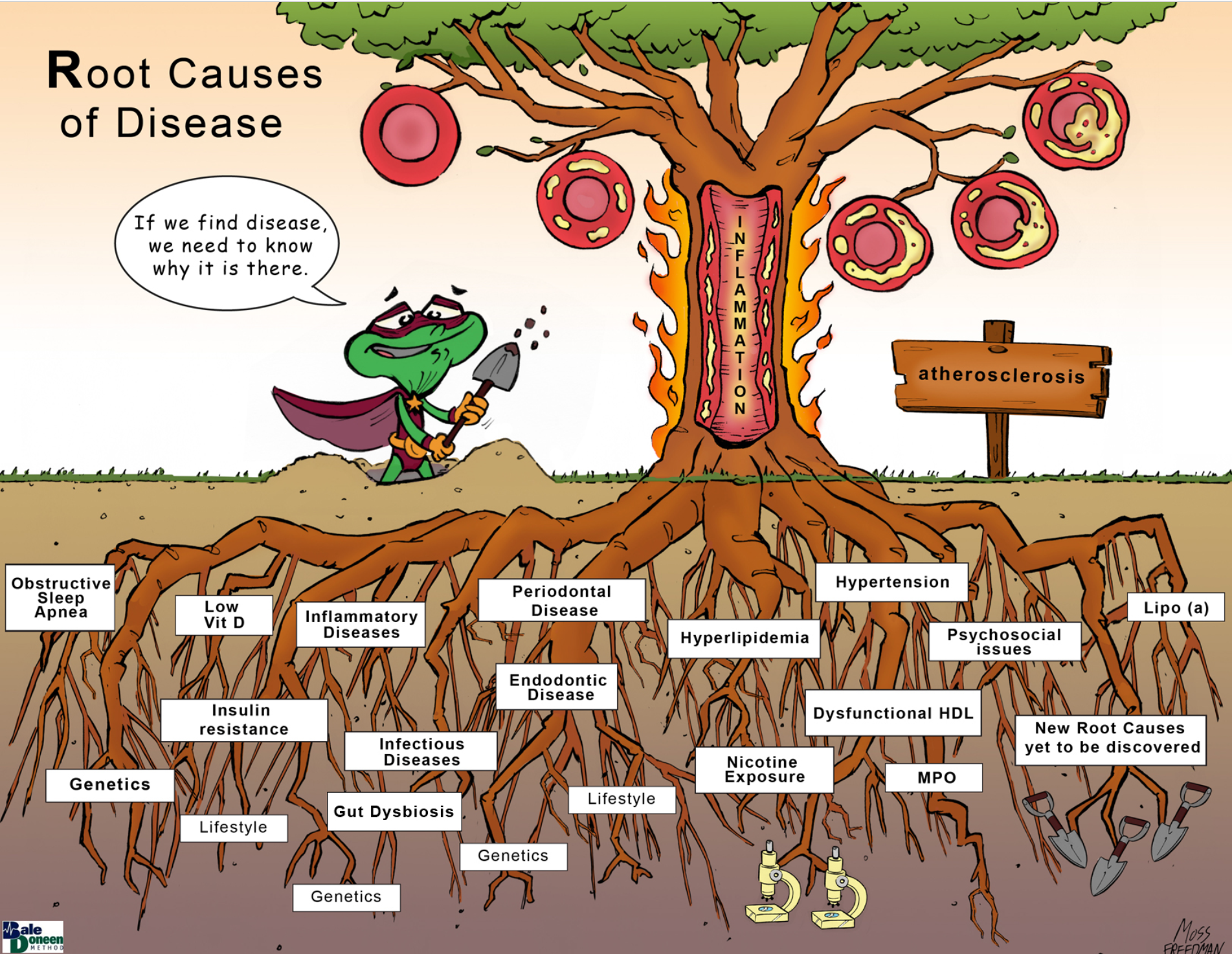
See the graphic at the top of this page.
Haptoglobin genotype 1-1 is the lowest risk for vascular disease events, 1-2 increases your risk by 200%. Both experience more events if given vitamin E supplements beyond what is in a multivitamin.
Haptoglobin 2-2 increases risk of vascular events by 500%! And gluten provokes a significant increase in inflammation in the gut for this genotype. Gluten should be avoided by this genotype. Gluten avoidance is also important for those who are haptoglobin 2-2 because they are very prone to gluten triggered inflammation. Vitamin E mixed tocopherols reduces much of the risk cardiovascular risk! Now that is cool to know!
One source of vitamin E (a risk to 1-1 and 1-2 genotypes) to reconsider is in supplements recommended to treat or prevent age related macular degeneration, e.g. AREDS 2. If your eye specialist is treating you for macular degeneration, continuation makes sense. Treating the risk of one condition may require a trade off, increasing the risk of another condition.
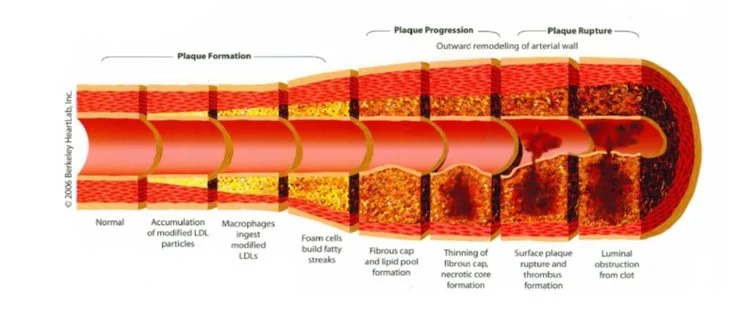
Check out the table at the top of this page.
As always, talk to The CureCenter to guide the best decision for YOU individually.
9p21 is the Heart Attack Gene, the one to Beat as the title of Dr. Bale and Dr. Doneen’s book suggests. But there is no specific treatment for it. Its presence could motivate someone sitting on the fence about some treatments, but for the most part I rarely order it, since our program is based upon disease, not risk.
KIF-6 genotype determines whether atorvastatin and pravastatin are effective or ineffective at reducing heart attack and stroke frequency. But if we use rosuvastatin or lovastatin as our preferred statin, it doesn’t matter. Again, it is useful in a limited set of circumstances.
ApoE 4 genes increases the risk of Alzheimer’s Disease and arterial disease. It can predict better outcomes with a very low fat diet and no alcohol. If you are willing to modify these choices based on the result, let’s get it. But if other dietary priorities, like reducing carbs due to insulin resistance, are a priority, maybe it won’t matter.
ApoE 2 or 3 genes are lower risk for arterial disease and dementia and generally do well with a low carbohydrate diet with more liberal fat.
Personalized Testing
There is a scientific understanding of the arterial disease behind heart attack and stroke that is not part of mainstream care. New tests enable The Cure Center to provide more individualized and effective treatments. Here are a few of the tests:
Carotid Intima Media Thickness testing (CIMT). CIMT measures arterial wall thickness. A thicker artery is a sicker and “older” artery. This indicator of arterial inflammation tends to predict formation of atherosclerotic plaque and related events. This is more important than “blockage” in predicting new unstable plaque formation. Unstable plaque causes heart attacks and strokes when it erodes or ruptures. Proactive Optimal Care can reverse arterial disease and make arteries healthier.
LpPLA2, also known as the PLAC test, rises when plaque and artery walls are inflamed or “hot.” You want your arteries to be “cool.” It can be improved with a less inflammatory diet, exercise, reduction in insulin resistance, supplements and medications like statins, niacin and Bergamot.
Myeloperoxidase (MPO) rise should trigger a search for inflammation, especially from the mouth. It is an indicator of inflammation and erosion of the inner lining of the artery known as the endothelium. A sudden rise should trigger a search for the inflammation that can trigger arterial inflammation and heart attacks.
Microalbumin/Creatinine ratio (MACR) tends to rise when blood pressure is poorly controlled. It means the endothelium integrity has been compromised, allowing protein (microalbumin) to leak into the urine. You don’t want a leaky endothelium that tends to also be prone to invasion by lipids and even bacteria that enter the blood stream from the mouth.
Genetic testing can inform you of your risk and motivate change in lifestyle and preventive treatment. It can also guide the choice of the most effective and safe medication and diet. The earlier these results are known, the more beneficial and cost effective because their one time cost can be amortized over a longer lifetime. If you have already suffered from arterial disease, it is important to be as precise and personalized as possible in your care.
Haptoglobin genotype (Hp) determines if Vitamin E offers powerful protection (Hp2-2) or increases risk (Hp 1-1 and 1-2). In addition, those who are 2-2 are more sensitive to gluten, forming an inflammatory mediator call zonulin that makes your gut “leaky” and raising the risk of autoimmune disease. This is the most powerful example of Personalized or Precision Medicine we offer.
Testing for insulin resistance (prediabetes) is important to identify those who could be developing vascular complications well before they are diagnosed with Type 2 Diabetes. Visceral Fat Level, measured on the InBody 570, provides the earliest detection of and the ability to monitor insulin resistance response to changes in what and when we eat. A 2 hour oral glucose tolerance test can identify insulin resistance long before the glucose starts to rise. But if there is other evidence of insulin resistance that does not require a 2 hour visit to the lab, we can skip the 2 hour GTT. A lifestyle directed to reduce insulin resistance is generally healthy for everybody.
Homocysteine elevation increases risk of developing a number of health issues. Some common conditions associated with high homocysteine are:
osteoporosis, or bone thinning
atherosclerosis, or a buildup of fats and other substances in the arterial walls
thrombosis, a blood vessel blood clot
venous thrombosis, a blood clot in the veins
This paper offers a good summary for those who want to dig deeper: https://www.ahajournals.org/doi/10.1161/01.cir.0000165142.37711.e7
Coronary Artery Calcium Score (CACS) detects mature calcified plaque in coronary arteries, but can miss new noncalcified plaque. It is not useful in monitoring therapy benefit. It is recommended in a more limited role where CIMT does not reveal plaque but there is still suspicion of coronary artery disease or it is more available than ultrasound. If it detects disease that would have otherwise been undetected, a more proactive approach to address root causes will be recommended.
Home Sleep Testing and automated CPAP have made the diagnosis and management of Sleep Apnea more affordable and effective. Sleep Apnea is a root cause for heart attack and stroke. Treating it can lower your risk of heart attack and stroke, lower your blood pressure and reduce inflammation.
Oral Microbiome testing can determine if you have bacteria in the mouth that are associated with a higher risk of arterial inflammation. In some cases, this can have a significant effect on management of periodontal inflammation which contributes to heart attack and stroke risk. Knowing the nature of your oral “neighborhood” can prompt a more proactive approach to cleaning up the neighborhood. The chronic diseases affected by your oral microbiome include periodontal disease, cardiovascular disease, Type 2 Diabetes and prediabetes, and even some cancers and dementia.
Personalized Genomic Testing offers insight into risk of disease and individual differences in drug metabolism, benefit and risk. This is especially valuable for those taking multiple medications and supplements that can interact, causing potential for harm. An interactive website allows predictive modeling of the effect of changes in therapy.